Loading
Everything you need to know about implant lifespan, maintenance, success rates, and what makes dental implants the most durable tooth replacement solution.
One of the most compelling reasons patients choose dental implants over other tooth replacement options is their remarkable longevity. When placed correctly by an experienced implantologist and maintained with proper oral hygiene, a dental implant can last 25 years or more, and in many cases, a lifetime. This stands in stark contrast to traditional dental bridges, which typically need replacement every 10 to 15 years, and removable dentures, which often require relining or remaking every 5 to 8 years.
However, it is important to understand that a dental implant is a multi-component system. The titanium implant post that is surgically placed into the jawbone is the most durable component and is designed to last permanently. The abutment (the connector piece) is also extremely long-lasting. The prosthetic crown, however, is subject to normal wear and tear and may need replacement after 15 to 20 years, depending on factors like bite force, diet, and oral hygiene habits.
The secret to dental implant longevity lies in a biological process called osseointegration. When a titanium implant post is placed into the jawbone, the bone tissue gradually grows around and bonds with the titanium surface over a period of three to six months. This creates an incredibly strong, permanent bond that effectively makes the implant part of your anatomy. Titanium is uniquely biocompatible, meaning the body does not recognise it as a foreign object and does not reject it. This is the same material used in orthopaedic joint replacements that last for decades.
Modern dental implants are precision-engineered medical devices made from medical-grade titanium alloys or, in some cases, zirconia ceramic. Premium implant systems like Nobel Biocare undergo rigorous testing and are backed by decades of clinical research. The surface textures of these implants are specifically designed at a microscopic level to encourage faster and stronger bone integration. At Dr. Kathuria's Dentistry, we use Nobel Biocare implants because their track record of success spans over 50 years, with clinical studies demonstrating success rates above 95%.
Just like natural teeth, dental implants require consistent and thorough oral hygiene to last. While implants themselves cannot develop cavities, the gum tissue and bone surrounding them are susceptible to a condition called peri-implantitis, which is similar to gum disease. This inflammatory condition is caused by bacterial plaque accumulation around the implant and, if left untreated, can lead to bone loss and eventual implant failure. Brushing twice daily with a soft-bristled toothbrush, flossing or using interdental brushes around the implant, and using an antimicrobial mouthwash are essential daily habits for protecting your investment.
Professional cleanings and examinations every six months allow your dentist to monitor the health of your implants, detect any early signs of peri-implantitis, and address issues before they become serious. During these visits, your dentist will check the stability of the implant, assess the condition of the surrounding gums and bone, and professionally clean areas that are difficult to reach with home care alone.
Smoking is one of the most significant risk factors for implant failure. Research consistently shows that smokers have implant failure rates two to three times higher than non-smokers. Tobacco use restricts blood flow to the gums and bone, impairing the healing process after implant placement and increasing the risk of infection and peri-implantitis. Patients who smoke are strongly encouraged to quit before undergoing implant surgery, and those who continue to smoke after placement must be particularly vigilant about oral hygiene and dental visits.
Certain systemic health conditions can affect implant longevity. Uncontrolled diabetes, for example, impairs wound healing and increases susceptibility to infections, which can compromise implant integration. Osteoporosis, while not a contraindication for implants, may affect bone quality and healing time. Patients undergoing radiation therapy to the head and neck area may have reduced bone healing capacity. At Dr. Kathuria's Dentistry, we conduct thorough medical evaluations before recommending implant treatment to ensure every patient is a suitable candidate and to manage any health factors that could affect outcomes.
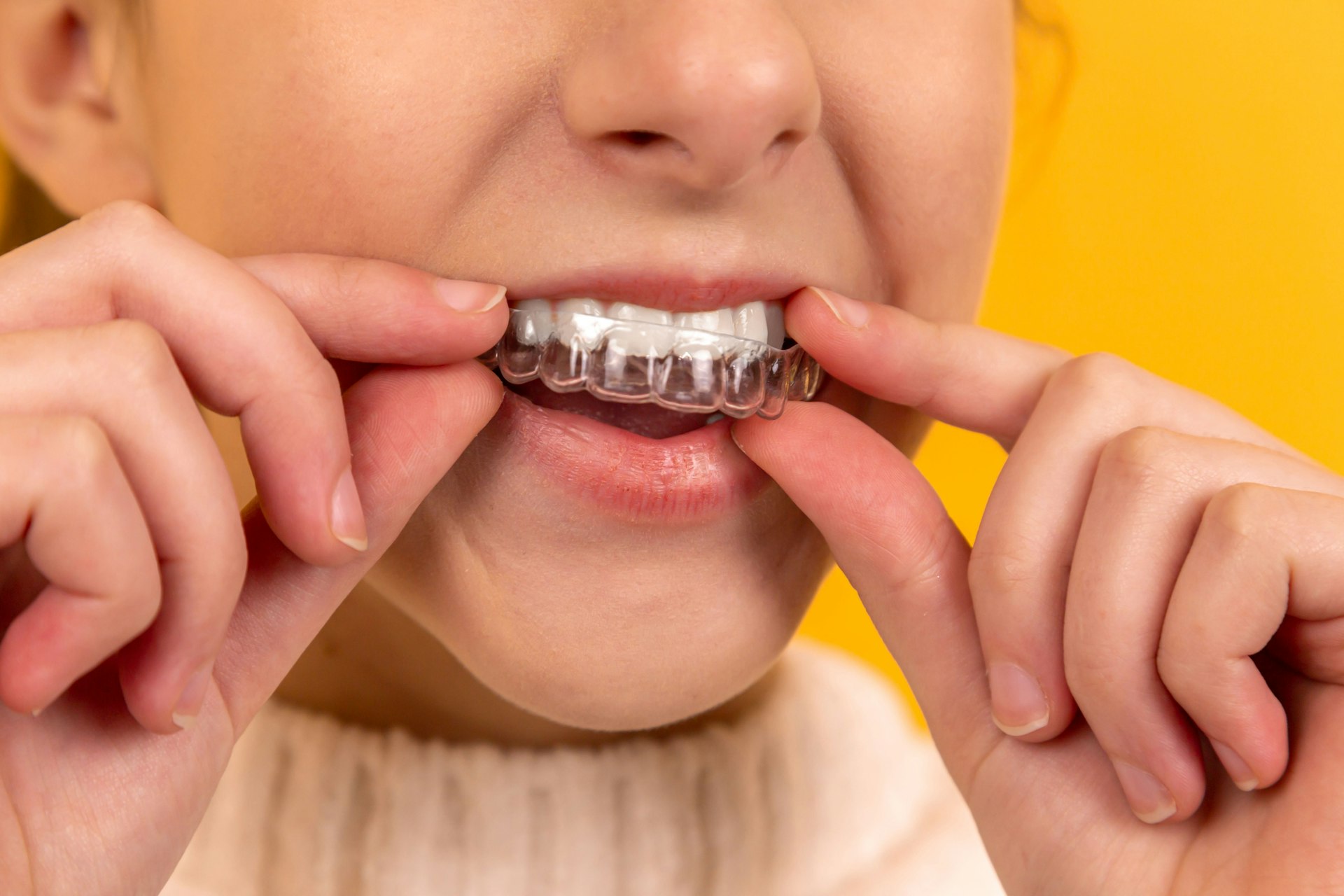
Habitual teeth grinding or clenching, known as bruxism, places excessive force on dental implants and their restorations. Over time, this can cause the implant crown to chip, crack, or loosen, and in severe cases, can even compromise the implant-bone interface. If you grind your teeth, your dentist may recommend wearing a custom night guard to protect your implants and natural teeth during sleep. Addressing bruxism is one of the most important steps you can take to extend the life of your implants.
The skill and experience of the implantologist is arguably the single most important factor in determining implant longevity. Proper placement requires precise angulation, appropriate depth, adequate spacing from adjacent teeth and nerves, and correct loading protocols. An implant placed too close to a nerve can cause numbness, while one placed at an incorrect angle may not integrate properly with the bone. This is why choosing a qualified, experienced implant specialist at a reputable clinic is so critical. At Dr. Kathuria's Dentistry, our team uses computer-guided implant surgery with the Nobel Guide system, which allows us to digitally plan the exact position of each implant before surgery, ensuring the highest level of precision.
Dental implants have one of the highest success rates of any surgical procedure. According to peer-reviewed clinical studies:
These statistics make dental implants the most reliable and long-lasting tooth replacement option available in modern dentistry. No other restorative solution, including bridges, dentures, or Maryland bridges, can match this level of durability and predictability.
While the implant post itself is designed to last permanently, certain components may need attention over the years:
Following these evidence-based recommendations will help ensure your dental implants last as long as possible:
| Replacement Option | Average Lifespan | Maintenance Level |
|---|---|---|
| Dental Implants | 25+ years (often lifetime) | Low (regular brushing, flossing, check-ups) |
| Dental Bridges | 10 - 15 years | Medium (requires special flossing) |
| Removable Dentures | 5 - 8 years | High (daily removal, cleaning, adhesives, relining) |
| Resin-Bonded Bridge | 5 - 10 years | Medium |
When you factor in the replacement costs and inconvenience of other options over a lifetime, dental implants are often the most cost-effective solution despite their higher initial investment.
At Dr. Kathuria's Dentistry, we are committed to ensuring every implant we place lasts as long as possible. Our approach combines world-class implant systems, advanced technology, and meticulous treatment planning:
If you are considering dental implants and want a solution that will last, we invite you to schedule a free consultation at our NABH-accredited clinic in East of Kailash, New Delhi. Let our specialists assess your needs and create a personalised treatment plan designed for lasting results.
Continue reading from our dental knowledge hub