Loading
Premium lab-crafted ceramic restorations that offer the perfect balance between a filling and a crown — preserving maximum healthy tooth structure while restoring strength and beauty.
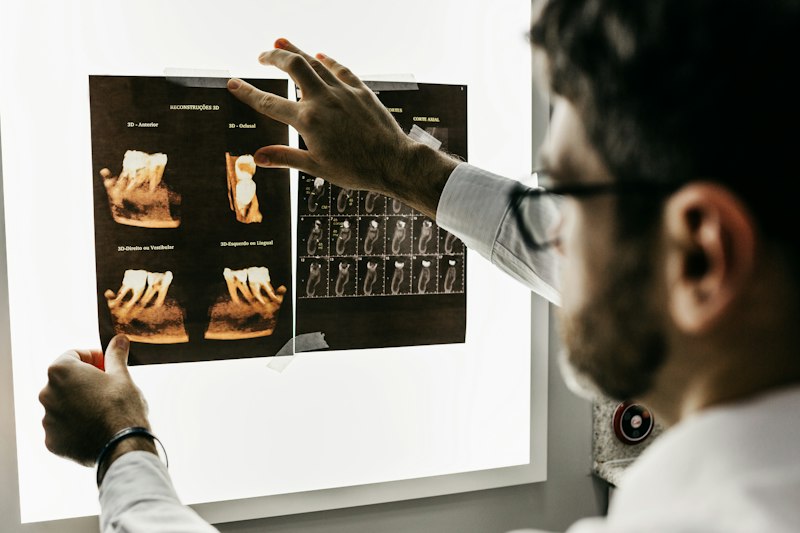
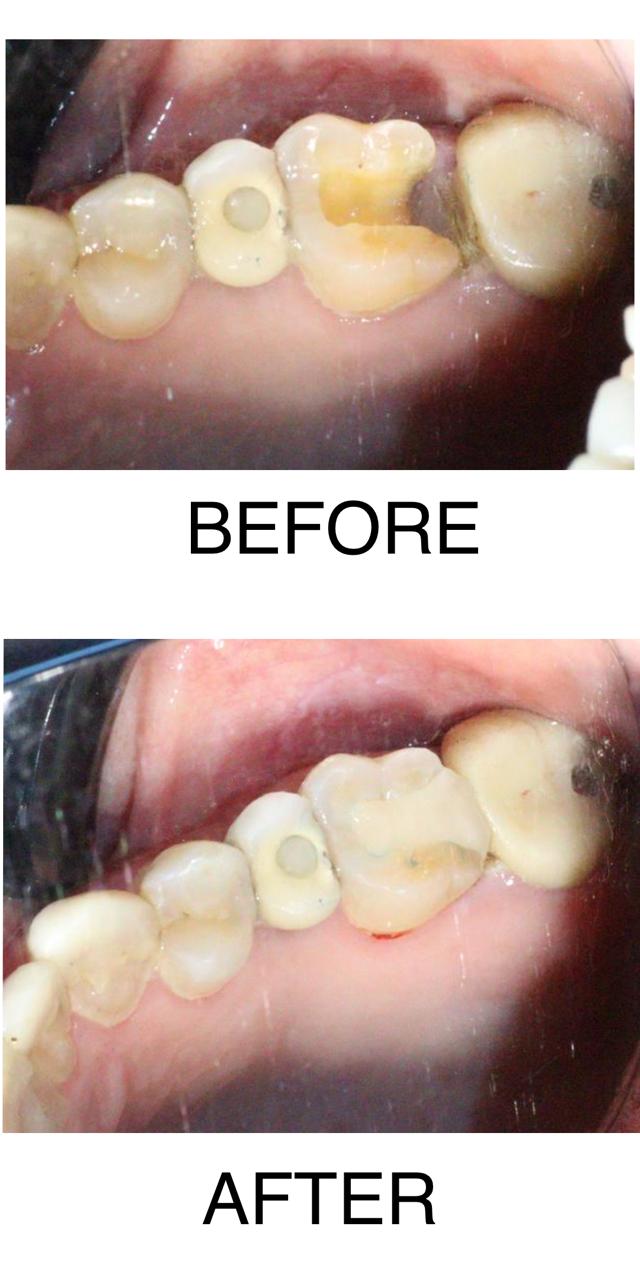
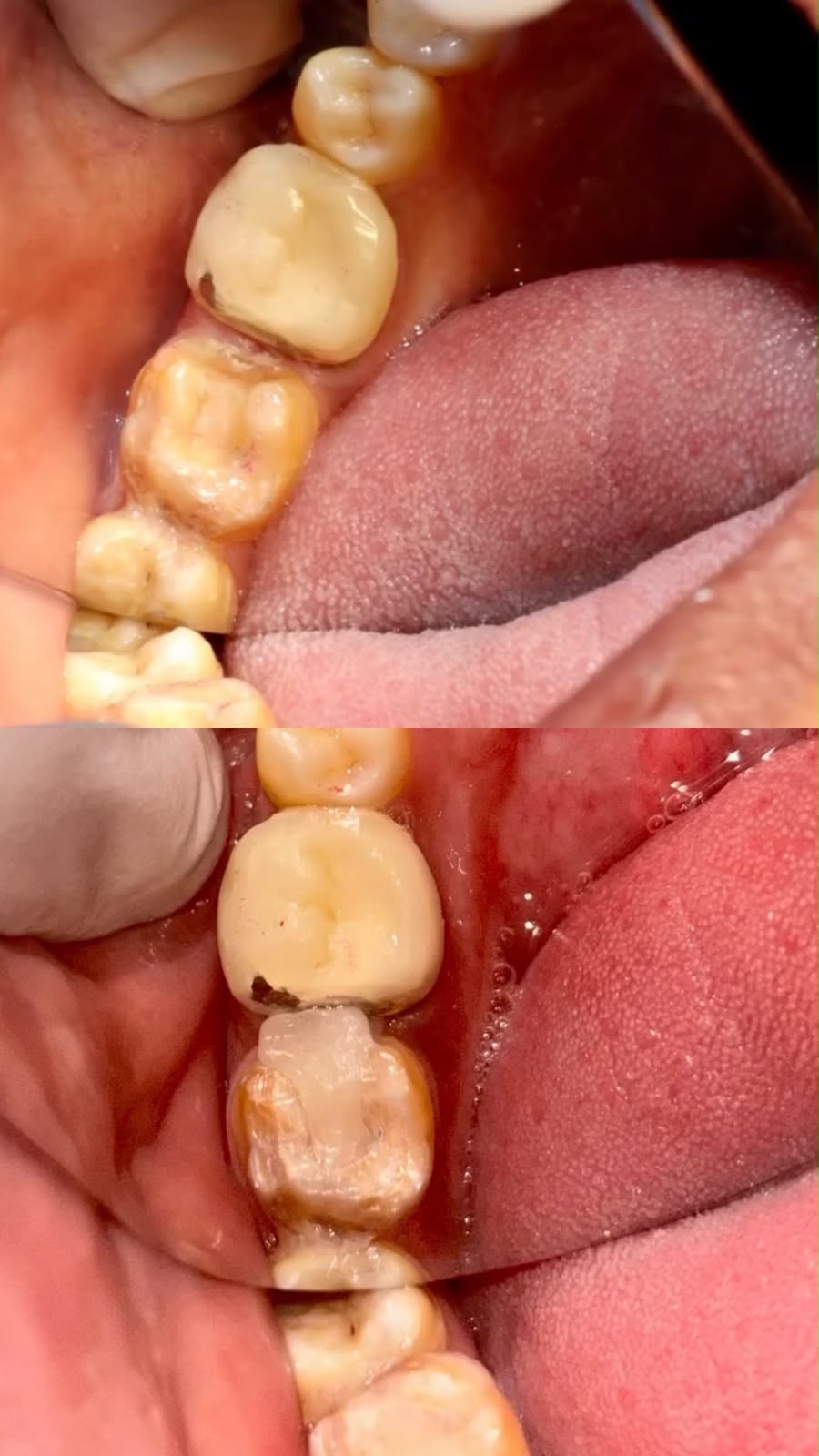
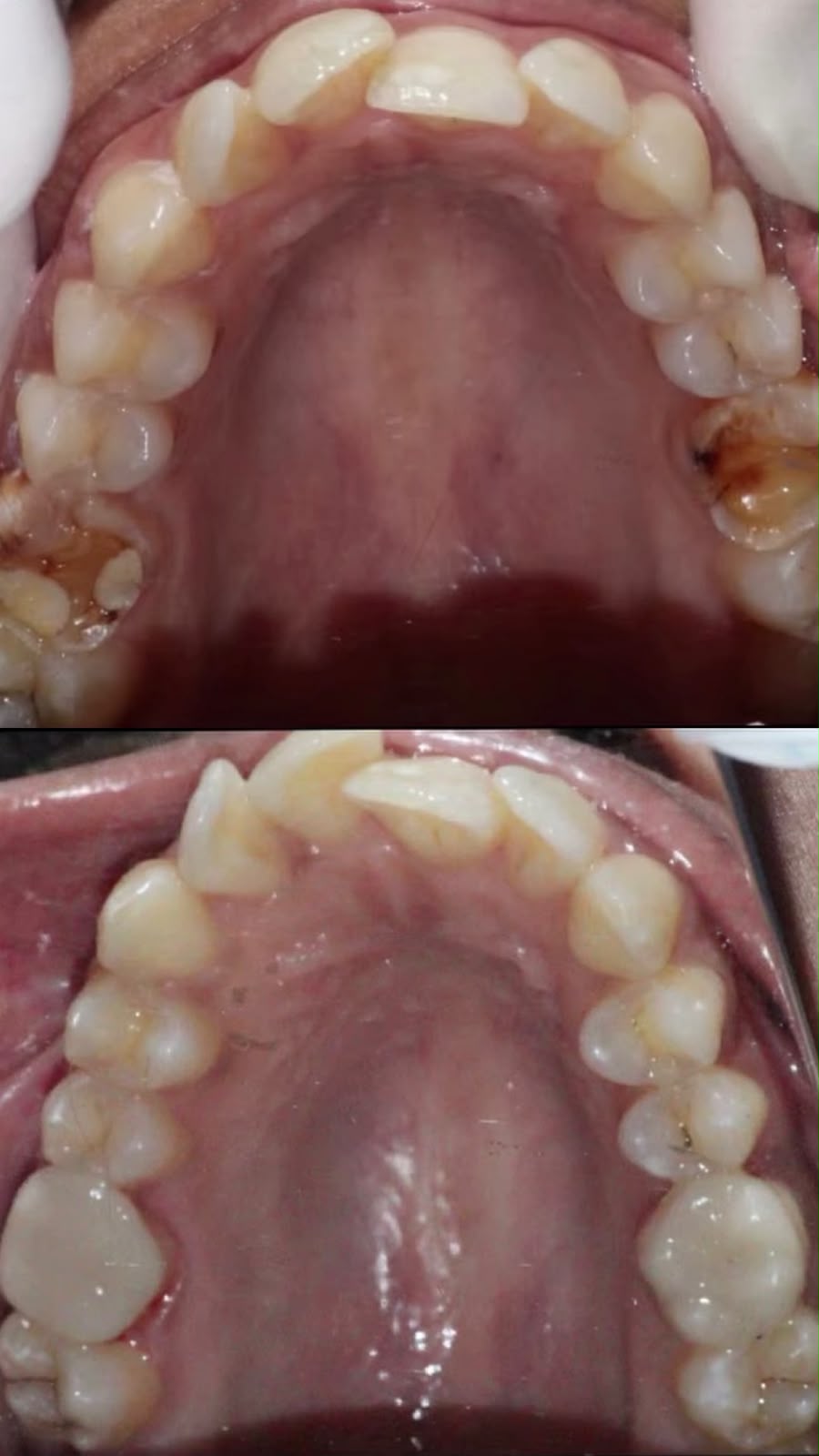
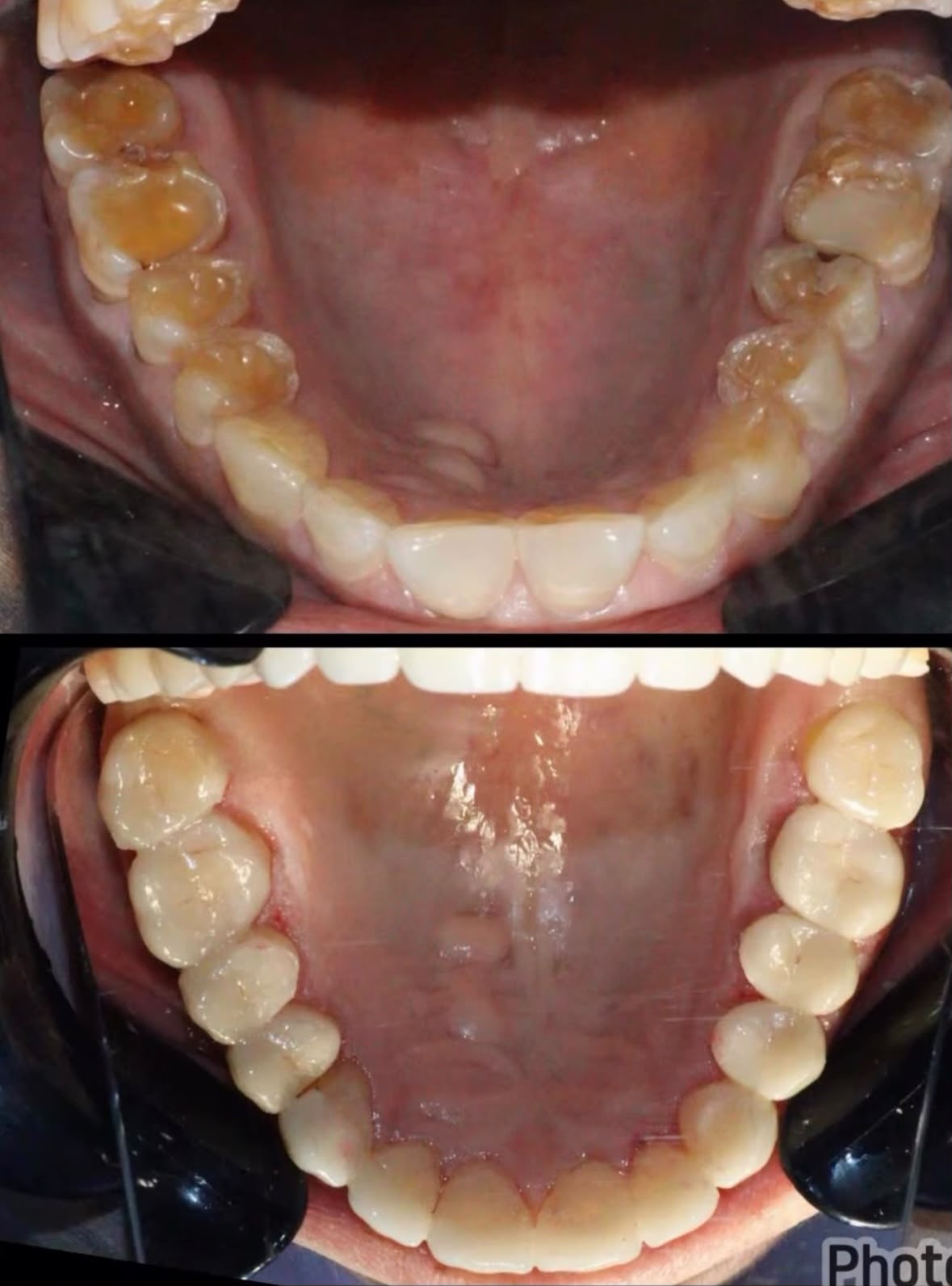
Inlays are indirect fillings applied in back teeth (premolars, molars). The procedure involves removing decayed or defective filling material, then creating an impression of the cavity. A restoration is fabricated in a laboratory from gold or ceramic that precisely fits the prepared space. During a second appointment, this restoration is cemented into place.
Larger inlays that cover the cusps are referred to as onlays. All back teeth (molars and premolars) can be fitted with porcelain inlays. Front teeth typically receive composite restorations instead. Crowns are preferred when decay extends deep below the gum or when remaining tooth structure is compromised.
Decayed or defective filling material is carefully removed from the back tooth (premolar or molar), and the cavity is shaped to receive the inlay or onlay restoration.
A precise impression of the prepared cavity is taken and sent to the dental laboratory for fabrication of the custom restoration.
The restoration is fabricated in the laboratory from gold or ceramic, precisely matching the shape and shade of your natural tooth for a perfect fit.
During your second appointment, the inlay or onlay is cemented into place using a special adhesive method, creating a chemical bond that restores the tooth to near-original strength.
Cost depends on the size of the restoration, the ceramic material selected, and whether it is an inlay or the larger onlay variant.
EMI options available • All major cards accepted • Insurance support
Get Exact QuoteReal stories from patients across the globe who trusted us with their smiles.
Inlays are indirect fillings applied in back teeth (premolars, molars). Larger inlays that cover the cusps are referred to as onlays. Both are fabricated in a laboratory from gold or ceramic and cemented into place during a second appointment.
Ceramic inlays have no metal core and are therefore translucent, offering exceptional aesthetic quality. They are bonded to the tooth using a special adhesive method, leaving no marginal gaps. A chemical bond is created between tooth and ceramic, restoring weakened teeth to their original strength. Ceramic is exceedingly biocompatible, and ceramic inlays are long-lasting.
All back teeth (molars and premolars) can be fitted with porcelain inlays. Front teeth typically receive composite restorations instead. Crowns are preferred when decay extends deep below the gum or when remaining tooth structure is compromised.
Fill in your details and we'll call you within 2 hours to confirm.


 USA
 United Kingdom
 Canada
 Australia
 India
 UAE
 Switzerland
 Singapore
 Germany