Loading
A complete guide to choosing the right children's dentist, understanding early dental care, and giving your child the foundation for a lifetime of healthy smiles.
When it comes to your child's dental health, choosing the right dentist can make all the difference. A pediatric dentist, also known as a pedodontist, is a dental specialist who has completed two to three years of additional training beyond dental school, focusing exclusively on the oral health of infants, children, adolescents, and patients with special healthcare needs. This specialised training equips them with the skills, knowledge, and temperament to handle the unique dental challenges that children face, from managing baby teeth to guiding the development of permanent teeth.
Unlike a general dentist who treats patients of all ages, a pediatric dentist's entire practice is designed around children. From the waiting room decor and child-sized dental chairs to behaviour management techniques and age-appropriate communication, every aspect of a pediatric dental practice is tailored to make young patients feel comfortable, safe, and even excited about visiting the dentist. This child-centred approach is crucial because early dental experiences shape a child's attitude toward oral health for the rest of their life.
The American Academy of Pediatric Dentistry (AAPD) and the Indian Dental Association both recommend that a child's first dental visit should occur by their first birthday or within six months of their first tooth erupting, whichever comes first. This recommendation surprises many parents who assume dental visits are not necessary until a child has a full set of teeth or starts school. However, early dental visits serve several critical purposes:
| Age | Dental Milestone | Recommended Action |
|---|---|---|
| 6 months | First tooth erupts | Begin cleaning with a soft cloth or infant toothbrush |
| 12 months | First dental visit | Oral examination, risk assessment, parent education |
| 2-3 years | Full set of baby teeth | First fluoride treatment, brushing supervision |
| 6 years | First permanent molars appear | Dental sealants, panoramic X-ray assessment |
| 7-8 years | Mixed dentition stage | Orthodontic evaluation for early intervention |
| 12-13 years | Most permanent teeth in place | Comprehensive orthodontic assessment if needed |
Choosing the right pediatric dentist for your child is an important decision. Here are the key factors to consider when evaluating potential dentists:
Ensure the dentist has completed a recognised postgraduate programme in pediatric dentistry (MDS in Pedodontics in India). A specialist in pediatric dentistry has dedicated years of additional training to understanding child development, behaviour management, and the specific dental conditions that affect children. They are trained to handle dental emergencies in children, manage dental trauma, and provide care for children with medical complexities or disabilities.
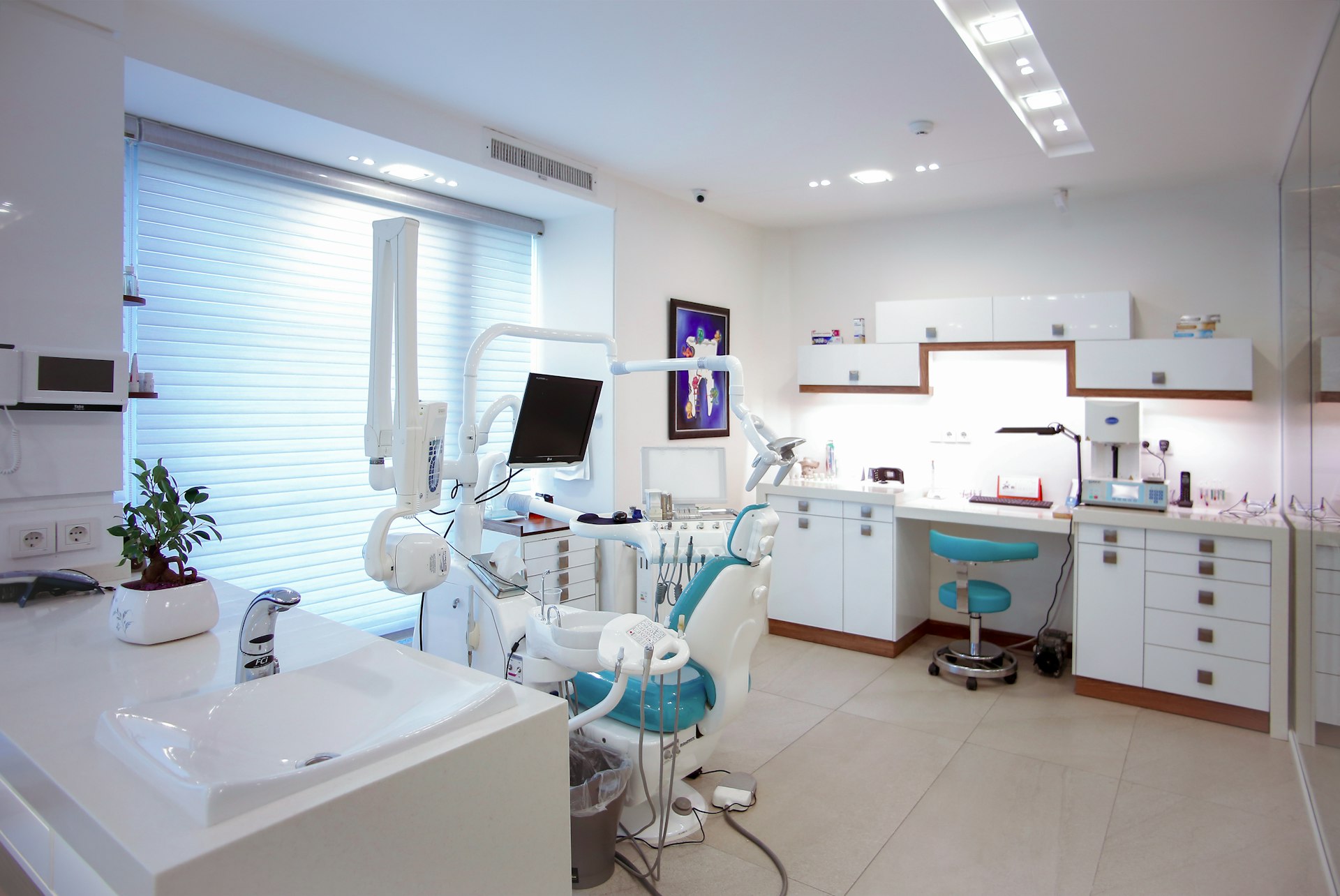
The dental clinic should be designed to put children at ease. Look for a welcoming reception area with toys, books, or entertainment, brightly coloured and inviting treatment rooms, child-sized dental chairs and equipment, television screens or headphones to distract children during treatment, and a warm, patient, and encouraging staff. A positive dental environment can transform a potentially frightening experience into an enjoyable one, setting the tone for a lifetime of good dental habits.
Every child is different, and a skilled pediatric dentist uses a variety of evidence-based behaviour management techniques to ensure each child receives the care they need in a comfortable and non-threatening way. These techniques include tell-show-do (explaining procedures in simple, child-friendly language before performing them), positive reinforcement and praise, distraction techniques, voice modulation, and for highly anxious children, sedation options ranging from nitrous oxide (laughing gas) to conscious sedation. Ask the dentist about their approach to managing anxious or uncooperative children and ensure their philosophy aligns with your parenting values.
A modern pediatric dental practice should employ advanced, child-safe technology. Digital X-rays, for example, emit significantly less radiation than traditional film X-rays, making them safer for young patients. Laser dentistry can reduce the need for injections and drills in certain procedures, making treatment more comfortable. Ask about the clinic's infection control protocols, sterilisation practices, and safety certifications. An NABH-accredited clinic, like Dr. Kathuria's Dentistry, meets stringent national quality and safety standards.
Understanding the dental issues your child may face helps you appreciate why regular pediatric dental visits are so important:
Tooth decay is the most common chronic childhood disease, affecting more than 50% of Indian children by age five. It is caused by bacteria that feed on sugars and produce acids that erode tooth enamel. Baby bottle caries, caused by prolonged exposure to milk or juice (especially at bedtime), is a particularly aggressive form of decay that can destroy baby teeth rapidly. While some parents believe that baby teeth are "disposable" because they will fall out eventually, premature loss of baby teeth can lead to spacing problems, speech difficulties, nutritional deficiencies, infection, and misalignment of permanent teeth.
Children are naturally active and adventurous, making them prone to dental injuries from falls, sports, and play. Chipped, cracked, or knocked-out teeth are common childhood emergencies. A pediatric dentist is trained to handle these situations promptly and effectively, whether it involves bonding a chipped tooth, splinting a loosened tooth, or managing a knocked-out permanent tooth to maximise the chance of successful reimplantation.
While thumb sucking and pacifier use are normal self-soothing behaviours in infants and toddlers, prolonged habits (beyond age three to four) can affect the alignment of teeth and the development of the jaw and palate. A pediatric dentist can assess whether your child's habit is causing dental changes and recommend appropriate intervention strategies, including habit-breaking appliances if necessary.
Issues such as crowding, crossbite, overbite, underbite, and spacing problems often become apparent during childhood. Early orthodontic evaluation (recommended by age seven) allows the dentist to identify developing problems and plan interceptive treatment that may reduce the need for more extensive orthodontic work later. Early intervention can guide jaw growth, create space for crowded teeth, and correct harmful bite patterns while the child is still growing.
Prevention is always better than cure, especially in pediatric dentistry. The most effective preventive measures include:
Professional fluoride applications strengthen tooth enamel and make teeth more resistant to acid attacks from bacteria. These treatments are quick, painless, and highly effective at preventing cavities. At Dr. Kathuria's Dentistry, we recommend fluoride treatments every six months for children at moderate to high risk of decay.
Dental sealants are thin, protective coatings applied to the chewing surfaces of back teeth (molars and premolars), where cavities most frequently develop in children. The sealant material fills in the deep grooves and pits on these teeth, creating a smooth surface that is much easier to clean and far less susceptible to decay. Studies show that sealants reduce the risk of cavities in treated teeth by up to 80%. Sealants are typically applied when the first permanent molars appear (around age six) and again when the second molars erupt (around age twelve).
A pediatric dentist can provide valuable guidance on nutrition and its impact on dental health. Limiting sugary snacks and drinks, avoiding sticky and chewy candies, encouraging water over juice or soda, and ensuring adequate calcium and vitamin D intake are all important dietary considerations for maintaining strong, healthy teeth.
At Dr. Kathuria's Dentistry in East of Kailash, New Delhi, we understand that every child deserves gentle, compassionate, and expert dental care. Our kids dentistry programme is designed to make dental visits a positive experience for both children and parents. Here is what makes our paediatric dental care special:
While regular dental visits are essential, the foundation of good oral health is built at home through daily habits. Here are practical tips for parents:
Giving your child the gift of a healthy smile starts with finding the right pediatric dentist. At Dr. Kathuria's Dentistry, we are passionate about children's dental health and committed to providing an experience that makes your child look forward to their next visit. Whether it is your baby's first dental check-up or your teenager needs orthodontic evaluation, our team is here to help.
Contact us today to schedule your child's appointment at our NABH-accredited clinic in East of Kailash, New Delhi. Call our toll-free number 1800-11-7272, WhatsApp us at +91 98109 36360, or visit our clinic for a consultation. Your child's lifelong smile journey begins with a single visit.
Continue reading from our dental knowledge hub